Alcohol use information
Understanding Alcoholism: The Impact of Alcohol on Social Life
Explore how alcoholism affects social life, relationships, and communication. Learn about signs, treatment options, and the importance of seeking help.

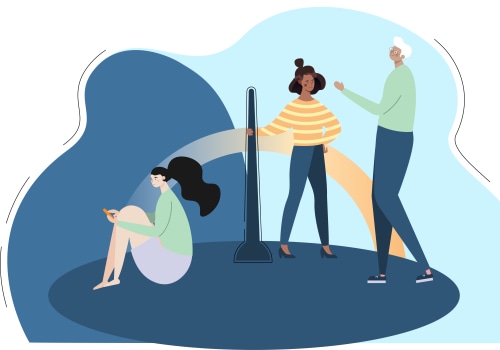
Alcoholism is a complex and multifaceted condition that extends far beyond the mere act of drinking. It is characterized by an uncontrollable urge to consume alcohol despite the negative consequences it may bring. Understanding alcoholism information is crucial, as it sheds light on how this addiction can profoundly affect an individual's social life and relationships. The implications of alcoholism are not limited to the individual; they ripple through families, friendships, and communities, often leading to a cycle of dysfunction and distress. The effects of alcohol on social life are both immediate and long-lasting.
Initially, alcohol may seem to enhance social interactions, providing a sense of relaxation and euphoria. However, as consumption increases, the darker side of alcohol emerges. Individuals may find themselves engaging in behaviors that alienate friends and family, such as excessive partying or aggressive outbursts. These actions can lead to strained relationships, as loved ones struggle to cope with the unpredictable nature of an alcoholic's behavior. Moreover, the impact of alcoholism on communication cannot be overstated.
Alcohol impairs judgment and reduces inhibitions, which can result in misunderstandings and conflicts. Conversations that might have been constructive can quickly devolve into arguments or hurtful exchanges. Over time, this deterioration in communication can erode trust and intimacy within relationships, leaving individuals feeling isolated and misunderstood. As we delve deeper into the topic of alcoholism, it becomes evident that understanding its social implications is vital for both prevention and recovery. By recognizing the signs of alcoholism and its effects on social dynamics, individuals can take proactive steps toward healing—not just for themselves but for their loved ones as well.
This journey toward understanding is essential for fostering healthier relationships and promoting overall social well-being.
The Nature of Alcoholism
Alcoholism
is a complex and multifaceted condition characterized by an individual's inability to control or stop drinking despite the negative consequences it brings to their life. It is often defined as a chronic disease that affects both the brain and behavior, leading to a compulsive pattern of alcohol consumption. Understanding the nature of alcoholism is essential for recognizing its profound impact on social interactions and relationships. There are several types of alcoholism , each with distinct characteristics and patterns of behavior:
- Acute Alcoholism: This type refers to instances of binge drinking, where individuals consume large quantities of alcohol in a short period. This behavior can lead to immediate health risks and social consequences, such as accidents or conflicts.
-
Chronic Alcoholism: Chronic alcoholics typically drink heavily over an extended period.
Their dependence on alcohol often leads to significant health issues, including liver disease, and can severely disrupt their social life.
- Functional Alcoholism: Individuals classified as functional alcoholics may maintain their jobs and family responsibilities while still engaging in problematic drinking behaviors. They often hide their addiction well, making it difficult for others to recognize their struggles.
- Non-Functional Alcoholism: In contrast, non-functional alcoholics may struggle to fulfill daily responsibilities due to their drinking habits. This type often leads to more visible social and occupational impairments.
Symptoms may include increased tolerance to alcohol, withdrawal symptoms when not drinking, and neglecting responsibilities in favor of drinking. Understanding these aspects can help individuals identify when they or someone they care about may need assistance. In summary, alcoholism is not merely a personal failing but a serious health condition that can have devastating effects on social life. By understanding its definition, types, and prevalence, we can better address the challenges it presents and work towards effective solutions for those affected.
How Alcohol Affects Brain Chemistry and Behavior
Understanding how alcohol affects brain chemistry is crucial for grasping its impact on behavior and social interactions. When consumed, alcohol enters the bloodstream and quickly reaches the brain, where it alters neurotransmitter activity. Understanding how alcohol affects brain chemistry is crucial for grasping its impact on behavior and social interactions. When consumed, alcohol enters the bloodstream and quickly reaches the brain, where it alters neurotransmitter activity.This alteration can lead to significant changes in mood, perception, and behavior. One of the primary ways alcohol affects the brain is through its interaction with gamma-aminobutyric acid (GABA) , a neurotransmitter that inhibits brain activity. Alcohol enhances the effects of GABA, leading to a calming effect on the nervous system. While this may initially seem beneficial, it can result in decreased inhibitions and impaired judgment. Individuals may feel more relaxed and sociable, but this state can also lead to risky behaviors. Conversely, alcohol also inhibits the release of glutamate , a neurotransmitter responsible for stimulating brain activity.
This dual action creates a depressant effect that can cloud judgment and impair decision-making abilities. As a result, individuals under the influence of alcohol may engage in behaviors they would typically avoid, such as:
- Driving under the influence
- Participating in unsafe sexual practices
- Getting into physical altercations
- Making impulsive financial decisions
Prolonged exposure to alcohol can result in alterations to the brain's reward system, making it increasingly difficult for individuals to experience pleasure without alcohol. This dependency not only affects personal relationships but also contributes to a cycle of isolation as individuals prioritize drinking over social interactions. In summary, the physiological effects of alcohol on brain chemistry significantly influence behavior and social life. By impairing judgment and altering emotional responses, alcohol can lead to risky behaviors that jeopardize relationships and overall well-being. Understanding these effects is essential for recognizing the signs of alcoholism and seeking appropriate help.
Social Consequences of Alcoholism
Alcoholism can profoundly affect an individual's social life, leading to a cascade of negative consequences that extend beyond personal health.Understanding these social effects is crucial for recognizing the broader implications of alcohol abuse.
Relationship Strain
One of the most significant social consequences of alcoholism is the strain it places on relationships. As individuals become more dependent on alcohol, their priorities often shift, leading to neglect of family and friends. This shift can manifest in various ways:
- Emotional Withdrawal: Alcoholics may become emotionally unavailable, making it difficult for loved ones to connect with them. This emotional distance can lead to feelings of rejection and frustration among family members.
-
Increased Conflict: Alcohol consumption can lead to aggressive behavior and poor decision-making, resulting in arguments and conflicts.
These disputes can escalate quickly, damaging trust and respect within relationships.
- Codependency: Family members may develop codependent behaviors, feeling responsible for the alcoholic's actions or attempting to manage their drinking. This dynamic can create a toxic environment that perpetuates the cycle of addiction.
Social Isolation
As alcoholism progresses, individuals often find themselves increasingly isolated from their social circles. This isolation can occur for several reasons:
- Withdrawal from Social Activities: Alcoholics may avoid social gatherings where alcohol is not present or where they fear they might lose control. This withdrawal can lead to loneliness and a lack of support from friends.
- Stigma and Shame: The stigma surrounding alcoholism can cause individuals to feel ashamed of their condition, leading them to hide their drinking habits or avoid social interactions altogether.
-
Deterioration of Friendships: Friends may distance themselves from someone who frequently drinks excessively, leading to a shrinking social network.
Over time, this can result in profound loneliness.
Impact on Family Dynamics
The effects of alcoholism extend deeply into family dynamics. Children raised in households with an alcoholic parent often face unique challenges:
- Emotional Turmoil: Children may experience anxiety, depression, or behavioral issues as they navigate the unpredictability of living with an alcoholic.
- Role Reversal: In some cases, children may take on adult responsibilities prematurely, caring for siblings or even their parents, which can hinder their development.
- Cyclical Patterns: Growing up in an environment affected by alcoholism increases the likelihood that children will develop similar issues in adulthood, perpetuating a cycle of addiction.
Alcoholism and Communication Challenges
Effective communication is a cornerstone of healthy relationships, yet alcohol can significantly impair an individual's ability to engage in meaningful conversations. When someone consumes alcohol, it alters their cognitive functions and emotional responses, leading to various communication challenges that can strain social interactions.Impaired Cognitive Functioning
Alcohol acts as a depressant, which can slow down brain activity and hinder cognitive processing.
This impairment affects several aspects of communication:
- Judgment: Alcohol can cloud judgment, making it difficult for individuals to assess social cues accurately. This may lead to misinterpretations of others' intentions or feelings.
- Memory: Short-term memory loss is common with alcohol consumption, which can result in forgetting important details from conversations. This forgetfulness can frustrate friends and family members who feel ignored or undervalued.
- Articulation: Slurred speech and difficulty forming coherent sentences are frequent issues for those under the influence of alcohol. This can lead to misunderstandings and a breakdown in effective dialogue.
Emotional Regulation
Alcohol also affects emotional regulation, which is crucial for healthy communication.
Individuals may experience heightened emotions, leading to:
- Aggression: Some people may become confrontational or aggressive when drinking, resulting in conflicts that damage relationships.
- Over-sharing: Conversely, alcohol can lower inhibitions, causing individuals to overshare personal information or express emotions inappropriately, which can make others uncomfortable.
- Withdrawal: In some cases, individuals may withdraw from conversations altogether when drinking, leading to feelings of isolation among peers.
The Impact on Social Skills
The cumulative effect of these communication challenges can severely impact an individual's social skills. As relationships suffer due to misunderstandings and conflicts, individuals may find themselves increasingly isolated. Over time, this isolation can lead to a vicious cycle where the individual turns to alcohol as a coping mechanism for loneliness, further exacerbating their communication issues. Recognizing the impact of alcohol on communication is essential for those struggling with alcoholism. By understanding these challenges, individuals can take proactive steps towards improving their social interactions and rebuilding their relationships.
Seeking professional help or engaging in support groups can provide valuable resources for developing healthier communication strategies and fostering stronger connections with others.
Long-Term Effects of Alcohol Abuse on Social Life
Chronic alcohol abuse can lead to a myriad of long-term effects that significantly alter an individual's social life. These repercussions extend beyond personal health, affecting relationships, financial stability, and even legal standing. One of the most profound impacts of long-term alcoholism is the deterioration of personal relationships. As individuals become increasingly dependent on alcohol, they often prioritize drinking over spending time with family and friends. This shift can lead to:- Isolation: Friends and family may distance themselves from the individual due to erratic behavior or the inability to engage in sober activities.
- Strained Relationships: Frequent arguments and misunderstandings can arise, particularly if the alcoholic exhibits aggressive or unpredictable behavior when intoxicated.
- Loss of Trust: Repeated instances of broken promises or neglect can erode trust, making it difficult for loved ones to maintain a supportive relationship.
The costs associated with purchasing alcohol can accumulate rapidly, leading to:
- Debt: Individuals may find themselves in financial trouble due to excessive spending on alcohol, which can lead to borrowing money or accumulating credit card debt.
- Job Loss: Alcohol-related absenteeism or poor performance at work can result in job loss, further exacerbating financial difficulties.
- Legal Issues: Engaging in illegal activities while under the influence, such as driving drunk, can lead to arrests and legal fees that strain finances even more.
Recognizing these potential outcomes is crucial for individuals struggling with alcoholism and their loved ones, as early intervention can help mitigate these damaging effects.
Recognizing the Signs of Alcoholism
Identifying the signs of alcoholism is crucial for early intervention and support, both for oneself and for loved ones. Recognizing these signs can help prevent the progression of alcohol abuse into a more severe addiction. Here are some key indicators to look out for:- Increased Tolerance: One of the first signs of alcoholism is an increased tolerance to alcohol. If a person finds that they need to consume more alcohol to achieve the same effects they once experienced with less, this could be a warning sign.
- Withdrawal Symptoms: Experiencing withdrawal symptoms when not drinking, such as anxiety, irritability, or physical symptoms like shaking or sweating, is a strong indicator of alcohol dependence.
-
Neglecting Responsibilities: If someone begins to neglect their responsibilities at work, school, or home due to drinking, it may signal a problem.
This includes missing work or school frequently or failing to fulfill obligations.
- Social Isolation: Alcoholism often leads individuals to withdraw from social activities and relationships. If someone is spending more time alone or avoiding gatherings where alcohol is not present, it may indicate an issue.
- Risky Behaviors: Engaging in risky behaviors while under the influence of alcohol, such as driving drunk or mixing alcohol with other substances, can be a clear sign of alcohol abuse.
- Emotional Changes: Alcohol can significantly affect mood and behavior. Look for signs of increased irritability, mood swings, or emotional instability that coincide with drinking habits.
- Continued Use Despite Problems: If an individual continues to drink despite facing negative consequences—such as health issues, relationship problems, or legal troubles—it is a strong indicator of alcoholism.
Encouraging professional help through counseling or support groups can also provide the necessary resources for recovery. Recognizing the signs of alcoholism is not just about identifying a problem; it’s about fostering an environment where individuals feel supported in seeking help. Early intervention can lead to better outcomes and healthier social interactions.
Seeking Help: Treatment Options for Alcoholism
For individuals grappling with alcoholism, seeking help is a crucial step toward recovery and restoring social connections. Various treatment options are available, each tailored to meet the unique needs of those affected by alcohol abuse.1.Behavioral Therapies
- Cognitive Behavioral Therapy (CBT): This therapy helps individuals identify and change negative thought patterns and behaviors associated with alcohol use. By addressing these underlying issues, CBT can empower individuals to develop healthier coping mechanisms.
-
Motivational Enhancement Therapy (MET): MET focuses on enhancing an individual's motivation to change their drinking behavior.
It encourages self-reflection and helps individuals recognize the benefits of sobriety.
- Contingency Management: This approach provides tangible rewards for maintaining sobriety, reinforcing positive behavior changes and encouraging continued abstinence from alcohol.
2.Support Groups
- Alcoholics Anonymous (AA): AA is a well-known support group that offers a 12-step program for individuals seeking recovery from alcoholism. The fellowship provides a supportive community where members share their experiences and encourage one another.
- SMART Recovery: This alternative to AA focuses on self-empowerment and uses evidence-based techniques to help individuals manage their recovery. SMART Recovery emphasizes personal responsibility and self-directed change.
3.Medication-Assisted Treatment (MAT)
For some individuals, medications can play a vital role in recovery. Common medications include:
- Naltrexone: This medication reduces cravings for alcohol and can help prevent relapse by blocking the euphoric effects of alcohol.
- Acamprosate: Acamprosate helps restore the balance of neurotransmitters in the brain, reducing withdrawal symptoms and cravings.
- Disulfiram: Disulfiram creates unpleasant reactions when alcohol is consumed, serving as a deterrent for drinking.
4.Inpatient and Outpatient Programs
Depending on the severity of the addiction, individuals may benefit from structured treatment programs:
- Inpatient Rehabilitation: This intensive program requires individuals to stay at a treatment facility, providing 24/7 support and supervision during the initial stages of recovery.
- Outpatient Programs: These programs allow individuals to attend therapy sessions while continuing to live at home, offering flexibility for those with work or family commitments.
Seeking help not only aids in overcoming addiction but also plays a significant role in rebuilding social connections that may have been strained or severed due to alcoholism.
FAQs About Alcoholism and Its Social Impact
Understanding the complexities of alcoholism and its impact on social life is crucial for both individuals and their loved ones. Here are some frequently asked questions that can help clarify common misconceptions and provide deeper insights into this serious issue.What is alcoholism?
Alcoholism, also known as alcohol use disorder (AUD), is a chronic disease characterized by an inability to control or stop drinking despite negative consequences. It often leads to physical dependence on alcohol, where individuals may experience withdrawal symptoms when not drinking.How does alcoholism affect social interactions?
Alcoholism can significantly impair social interactions. Individuals struggling with alcohol use may find themselves withdrawing from social activities, leading to isolation.This withdrawal can stem from feelings of shame or embarrassment about their drinking habits. Additionally, intoxication can lead to aggressive behavior or poor communication skills, which can strain relationships with friends and family.
Can alcoholism lead to violence?
Yes, there is a well-documented link between alcohol consumption and violent behavior. Alcohol can lower inhibitions and impair judgment, which may result in aggressive actions or conflicts during social gatherings. This not only affects the individual but also poses risks to others around them.What are the signs of alcoholism?
- Increased tolerance: Needing more alcohol to achieve the same effects.
- Withdrawal symptoms: Experiencing nausea, sweating, or anxiety when not drinking.
- Neglecting responsibilities: Failing to fulfill obligations at work, school, or home due to drinking.
- Social problems: Strained relationships with friends and family due to alcohol use.
How can I help someone struggling with alcoholism?
If you suspect someone you care about is struggling with alcoholism, it’s important to approach the situation with empathy and understanding.Encourage them to seek professional help through counseling or support groups. Express your concern without judgment, and offer your support in their journey toward recovery. By addressing these common questions about alcoholism, we can foster a better understanding of its effects on social life and encourage those affected to seek help and support.
Conclusion: The Importance of Understanding Alcoholism's Impact on Social Life
In conclusion, understanding the profound effects of alcoholism on social life is crucial for both prevention and recovery. The insights gained from examining how alcohol influences behavior, relationships, and overall well-being can empower individuals and communities to take proactive steps in addressing this pervasive issue. Throughout this article, we have explored various dimensions of how alcohol impacts social interactions. From impaired judgment and increased aggression to the potential for isolation and dependency, the consequences of heavy drinking extend far beyond the individual.They ripple through families, friendships, and communities, often leading to a cycle of dysfunction that can be difficult to break. Recognizing the signs of alcohol abuse is a vital first step in mitigating its effects. Early intervention can prevent the escalation of problems associated with alcoholism, allowing individuals to seek help before their social lives are irrevocably damaged. Support systems, including counseling and peer support groups, play an essential role in recovery by providing a safe space for individuals to share their experiences and challenges. Moreover, fostering open conversations about alcohol use within social circles can help reduce stigma and encourage those struggling with addiction to come forward. Education about the risks associated with alcohol consumption is equally important; by informing friends and family members about the signs of alcoholism, we can create a more supportive environment for those in need. Ultimately, understanding the impact of alcoholism on social life is not just about recognizing the negative consequences; it is also about promoting healthier lifestyles and relationships.
By prioritizing mental health and well-being, we can cultivate a culture that values connection over consumption. This shift not only benefits individuals but also strengthens communities as a whole. In summary, the journey toward understanding and addressing alcoholism requires collective effort. By equipping ourselves with alcoholism information , we can better support those affected and work towards a future where social interactions are enriched rather than hindered by alcohol.